Every child in a Read to Succeed program is assessed against national benchmarks at the beginning, middle, and end of the year. The results go back to teachers, schools, centers, and families, so the people closest to the child can act on them.

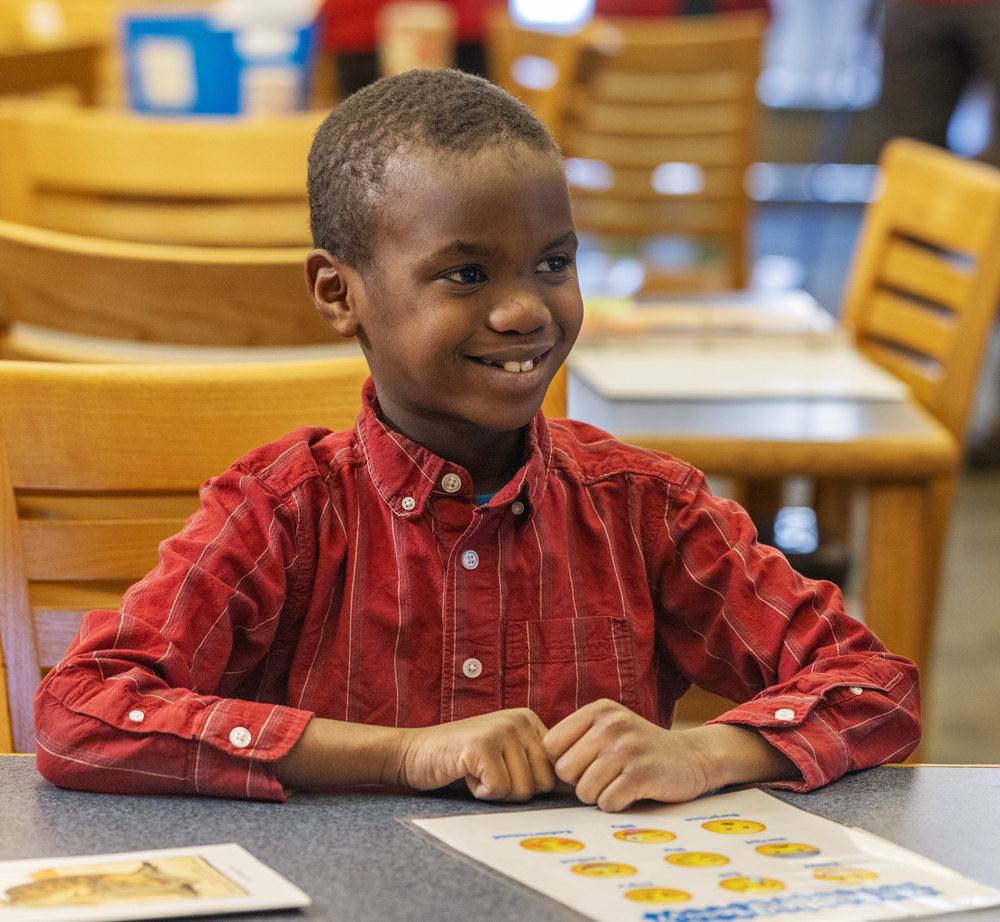
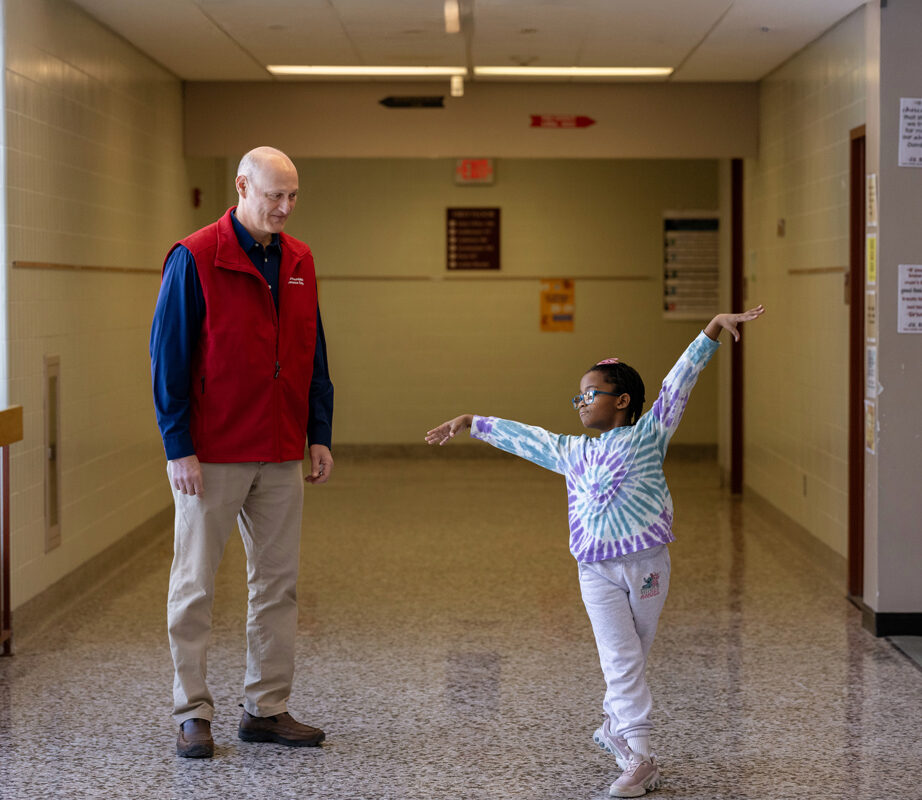
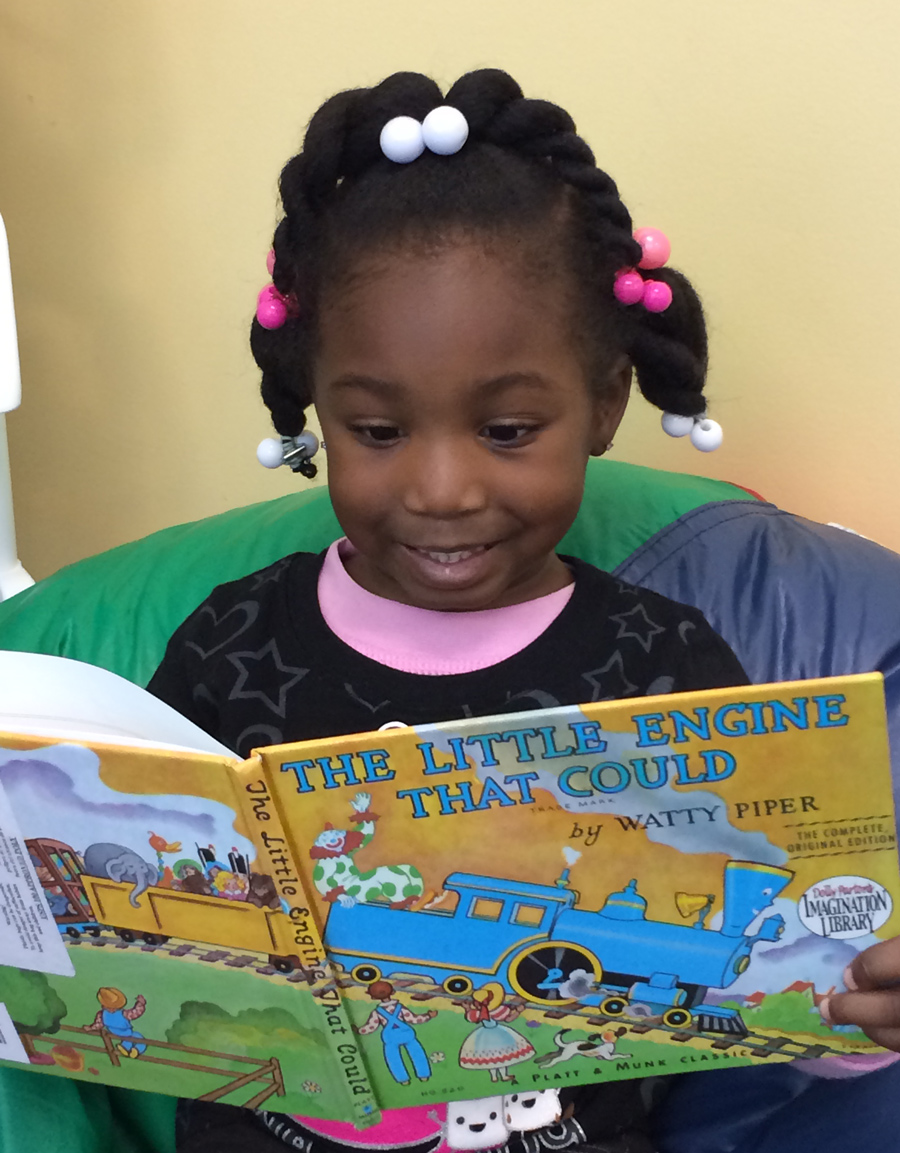
This page shows what those assessments found last year, program by program. Next to each set of numbers is one child the numbers describe.

For tutoring and classroom coaching, that means we can show two things: where children started the year, and how far they moved by spring.

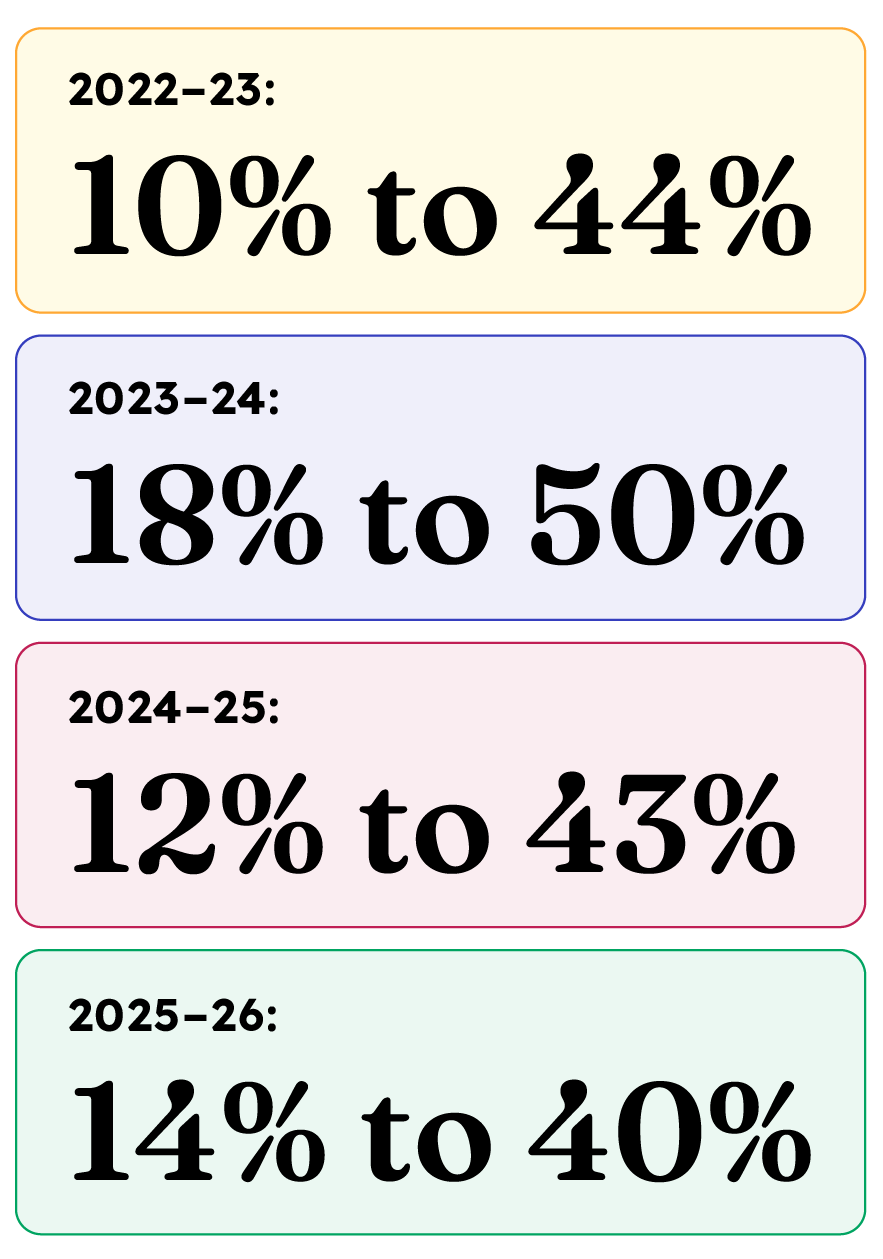
Every chart on this page shows two things: where the benchmark is, and how far each group of children moved toward it. The pattern holds year after year. In each of the last four school years, the share of tutored students reading at grade level has roughly tripled between fall and spring.
Share of tutored students reading at grade level, fall to spring. 2022-23: 10% to 44%, 2023-24: 18% to 50%, 2024-25: 12% to 43%, 2025-26: 14% to 40%.

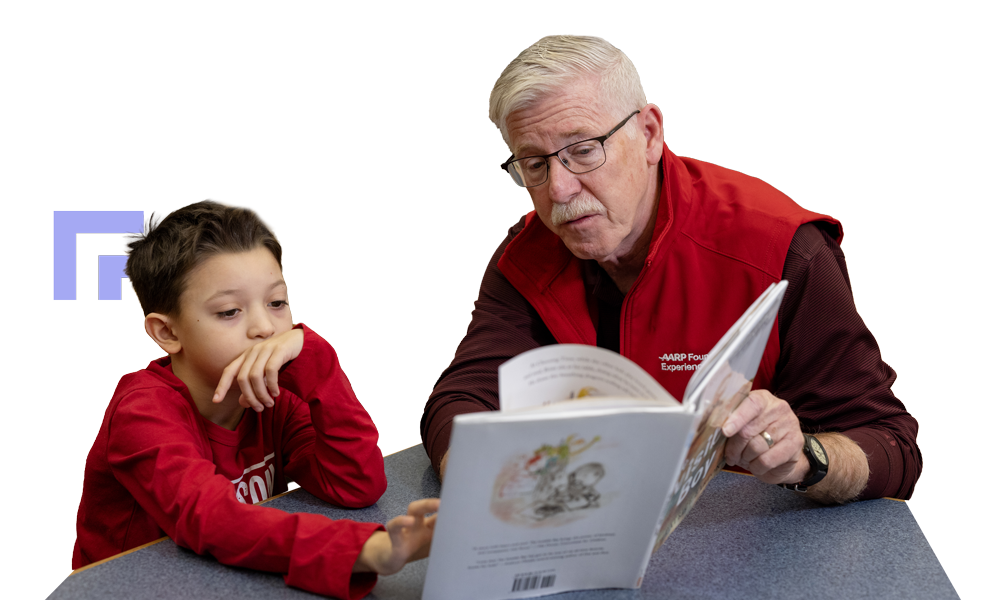
Last year, 130 tutors worked with 346 children in 13 schools. Each child was assessed in the fall, winter, and spring on how many words they could read correctly in a minute.

First graders who started the year reading about 7 words per minute finished at 52, well above the benchmark.

Read More About Tutoring

Last year, Read to Succeed early literacy specialists worked in 6 schools and child care centers impacting nearly 500 children. Each child in program classrooms was assessed in the fall, midyear, and spring on the skills that predict reading.

Children in partner classrooms started the year five to six months behind in vocabulary. By spring, 3 year olds had caught up, and 4 year olds were within a month.

Read More About Coaching

Books at Home works differently from the other two programs. We don’t assess the children who receive books, so the measure here is reach: how many children have a new, age-appropriate book addressed specifically to them every month, and how many families are reading it together with their child.

How Books at Home Works

Find annual reports, financial statements, and program evaluations on our About page, along with the people and partners behind the work.

Read More
Become a VolunteerDonate